

30 days. You’re stuck with a 3 mg starting dose of Rybelsus for exactly that long before your body even considers moving up. It isn’t a quick fix, and it definitely isn’t a pill you take whenever you feel like it to see overnight results. Instead, it’s a slow, calculated way to introduce a chemical messenger that tells your body how to handle sugar.
If you’ve been following news about metabolic health, you’ve heard the buzz. We’re in the era of GLP-1 agonists, medications that have changed how we look at weight and blood sugar. But while everyone is talking about the injections, there’s a silent player: the oral tablet.
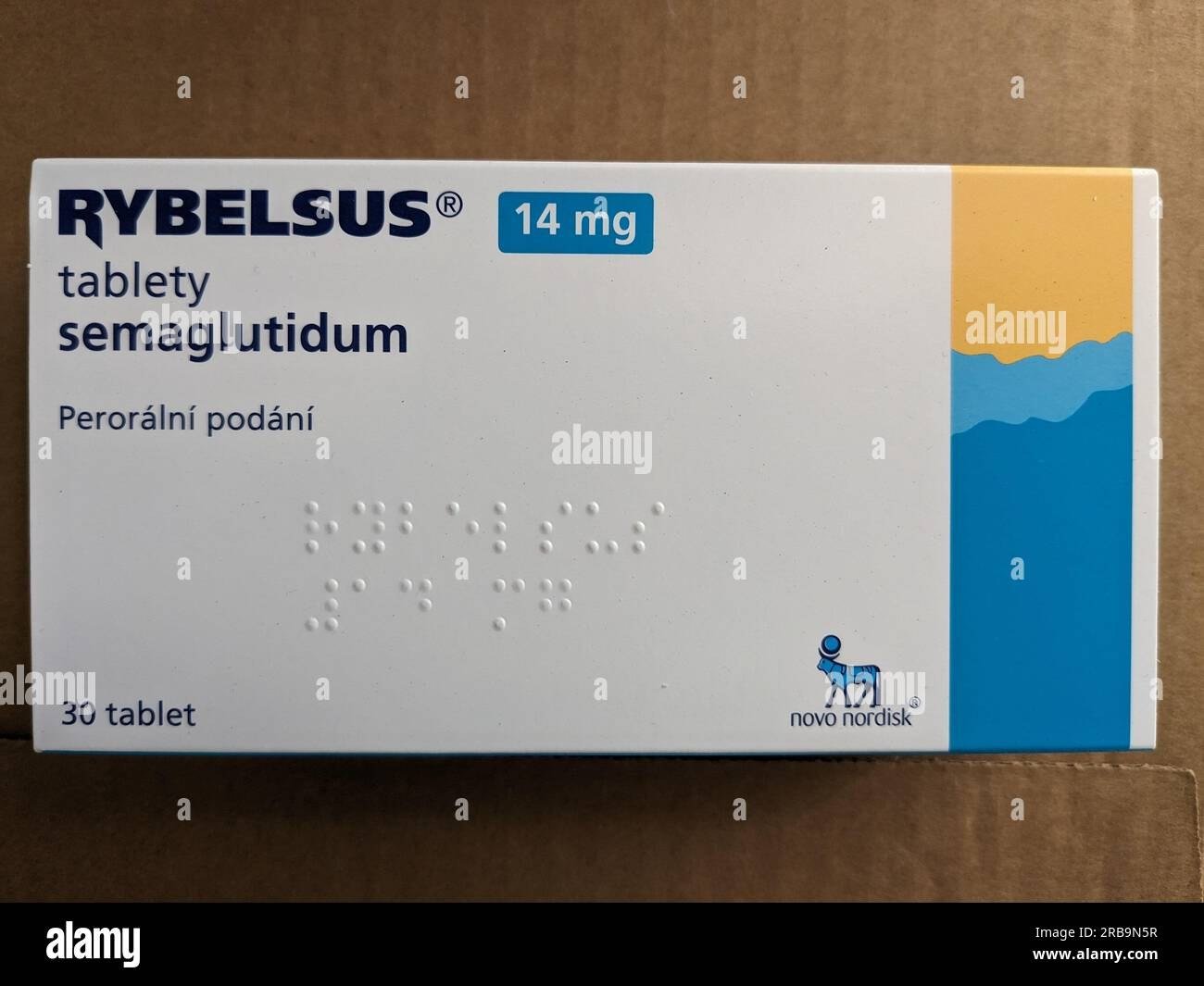
Rybelsus is just semaglutide in pill form. For adults with type 2 diabetes, this is a big deal. It means managing glucose levels without a needle. It’s the world’s first and only oral GLP-1 receptor agonist. Don’t assume that makes it a “light” version of the shots, though. The chemistry is essentially the same; only the delivery method changed.
You might wonder how a tiny pill can do what a weekly injection does. It comes down to a specific delivery technology that helps semaglutide survive your stomach acid. Without that specialized coating and the very specific way you have to take it, the medicine would just be destroyed before it ever hits your bloodstream.
The Biology of the Daily Dose
To get Rybelsus, you have to understand what it actually does inside you. It mimics a hormone your gut naturally makes when you eat. This hormone, GLP-1, tells your pancreas to release insulin when blood sugar is high and tells your liver to stop dumping extra sugar into your blood. It’s a feedback loop.
When you take this, you aren’t just “lowering sugar.” You’re retraining your metabolic signaling. Doctors always use the phrase “adjunct to diet and exercise.” It sounds like a cliché, but it carries weight. The medication isn’t a magic wand that works if you eat nothing but processed sugar; it’s a tool that makes the work you do with your diet and movement actually stick.
The dosing schedule is strict. You start at 3 mg for the first month to let your digestive system adapt. After those 30 days, if you’re handling it well, you move up to 7 mg or 14 mg daily. If you skip days or mess up the timing, you’ll quickly learn that the whole thing can cause some serious nausea.
There’s a ritual to this. You have to take it at least 30 minutes before food, other meds, or even a sip of water. Use only a small sip of plain water, no more than 4 ounces. If you eat a piece of toast or drink coffee right after, you might effectively cancel out the dose. It’s finicky and requires discipline.
Because of how it’s absorbed, the morning routine is rigid. I remember a patient, let’s call him Mark, who tried to take his pill with his morning coffee because he’s a creature of habit. He ended up feeling extremely nauseated and, more importantly, saw almost no improvement in his A1C because the coffee prevented absorption. He had to restart the whole process from scratch.
Decoding the Side Effect Profile
Let’s be honest: any medication that alters metabolic signaling is going to have side effects. You can’t rewire your hormones without some internal protest. Most complaints involve the gut: nausea, stomach upset, and changes in how fast food leaves your stomach.
Rybelsus slows down gastric emptying, so food stays in your stomach longer. You might feel full much faster than you used to. This is why people often see weight loss alongside better blood sugar control, but that “fullness” can feel like heavy, uncomfortable bloating if you don’t watch your portion sizes.
Watch how you feel during those first few weeks. The jump from 3 mg to higher doses is usually when side effects show up. You might experience:
- Nausea (the most common)
- Diarrhea or constipation
- Vomiting
- Decreased appetite
- Heartburn or indigestion
For some, these are mild and pass as the body adjusts. For others, they’re disruptive. Don’t just try to “power through” the discomfort; talk to your doctor. They might suggest a slower titration if the side effects are too much.
The FDA also has warnings regarding pancreatitis and gallbladder issues. These aren’t common, but they are serious. That’s why your doctor will likely monitor your kidney function and A1C levels closely. They aren’t just checking if it works; they’re checking how your body is handling the systemic changes.
It’s a balancing act. You want the glucose control, but you don’t want to spend all day in the bathroom or feeling sick. This is why Rybelsus side effects are something you should study before you even get a prescription. Understanding the “why” behind the nausea can help you manage the “when.”
Comparing the Options: Injections vs. Tablets
The elephant in the room is the comparison to injectable GLP-1s like Ozempic. People often ask why they’d choose one over the other if the drug is the same. It usually comes down to lifestyle, needle phobia, and absorption. Even though they both use semaglutide, the way they enter your body is different.
Injectables are typically once a week, providing a very steady level of medication in your system. Rybelsus is a daily commitment. If you’re the type who forgets a pill, the weekly injection might be better for consistent control. If you hate needles, the pill is a game-changer.
Here is how the two methods compare:
| Feature | Rybelsus (Oral) | Injectable Semaglutide |
| Frequency | Once daily | Once weekly |
| Administration | Swallow with minimal water | Subcutaneous injection |
| Absorption | Requires strict fasting window | More consistent absorption |
| Main Goal | Glycemic control in T2D | Glycemic control & weight management |
Then there’s the cost. Depending on insurance, the out-of-pocket expense varies wildly. Many patients spend time researching the rybelsus price to see if it fits their monthly budget, especially without a high-tier pharmacy benefit.
Don’t assume the pill is “easier.” The daily timing requirement can be a mental burden. You can’t just take it whenever. You have to plan your breakfast around that 30-minute window. For some, that’s a small price to pay to avoid a needle. For others, it’s a dealbreaker.
What the Research Says About Long-Term Impact
The science is compelling. Beyond lowering blood sugar, there’s evidence that semaglutide can reduce the risk of major cardiovascular events. This matters for people with type 2 diabetes, who already face higher risks for heart disease and stroke. Semaglutide is used to treat type 2 diabetes and has shown promise in reducing those specific risks.
When we talk about “improving glycemic control,” we mean the A1C number, your three-month blood sugar average. A lower A1C means a lower risk of long-term complications like nerve damage, kidney disease, and vision loss. The medication acts as a safety net, working with your diet to keep levels from spiking.
It isn’t just about lab reports, though. It’s about how you feel. Many users report more stable energy because they aren’t hitting the dramatic “crashes” caused by sugar fluctuations. This depends heavily on the “diet and exercise” part of the equation. The drug isn’t a replacement for a healthy lifestyle; it’s an enhancer.
The FDA has approved it for specific uses. While many use it off-label for weight loss, its primary indication is managing type 2 diabetes. Weight loss is often a secondary benefit of how the drug regulates appetite and slows digestion. If you’re looking for a weight-loss miracle, you’ll be disappointed if you don’t also commit to caloric changes.
We are still gathering long-term data on some of these newer oral formulations. While the results are promising, medical science is a process. Doctors are still watching how these drugs affect bone density, muscle mass, and gut health over decades, not just months.
Addressing the Skepticism
I get asked this all the time: “Is this just an expensive way to mask a bad diet?” It’s a fair question. If you use medication to bypass the consequences of eating poorly, you’re fighting a losing battle against your own biology. The medication doesn’t change your cravings; it changes your body’s response to food. If you keep eating in a way that promotes inflammation, you’ll likely hit a ceiling where the drug can’t help you anymore.
But for many, the medication does something different. It provides a biological “pause button.” It lowers the constant, nagging hunger that makes dieting feel like an act of willpower every single minute. It makes the “right” choice much easier to make. It’s not about masking the problem; it’s about leveling the playing field so your effort actually shows up in your bloodwork.
What about “Ozempic face” or muscle loss? Those are real concerns. Rapid weight loss can lead to a loss of facial fat, which can make you look older. There is also the risk of losing muscle mass instead of fat if you aren’t eating enough protein or doing resistance training. If you take this, you have to do it the right way, with nutrition and strength training at the forefront.
FAQ
Are Ozempic and Rybelsus the same?
While both contain the same active ingredient (semaglutide), Ozempic is an injectable medication for type 2 diabetes, whereas Rybelsus is an oral tablet used for the same condition.
What are the side effects of taking Rybelsus?
Common side effects include nausea, vomiting, diarrhea, stomach pain, and constipation.
Is Rybelsus a good weight loss drug?
Rybelsus is FDA-approved for type 2 diabetes management; while weight loss is a common secondary effect, it is not specifically labeled as a primary weight loss medication.
How much weight can I lose with Rybelsus in a month?
Weight loss varies significantly by individual, but consistent use often leads to gradual reduction as the body adjusts to the medication.
How should I take Rybelsus?
Rybelsus should be taken once daily on an empty stomach with a small amount of plain water, at least 30 minutes before any food or other medications.